


12 Ene Understanding the psychological triggers behind gambling behavior
Understanding the psychological triggers behind gambling behavior
The Allure of Risk and Reward
The psychological appeal of gambling largely stems from the inherent thrill of risk and the potential for reward. This interplay between chance and skill captivates individuals, making them more susceptible to engaging in gambling activities. The anticipation of winning can trigger a rush of adrenaline, creating a heightened emotional state that can be addictive. This phenomenon often leads individuals to chase losses, believing that a big win is just around the corner. For those looking to understand the landscape better, our website offers online casino reviews that can provide valuable insights.
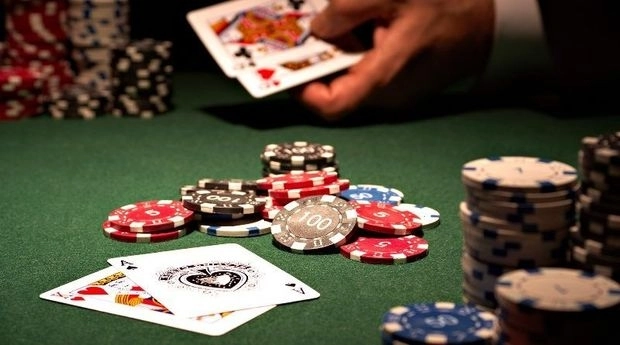
Moreover, the dopamine release associated with winning—no matter how small—reinforces the behavior. As players experience this pleasurable response, they are more likely to repeat the action, which can lead to habitual gambling. Understanding this dynamic is crucial for recognizing why some individuals become entrenched in gambling behavior, often despite the negative consequences.
The Role of Cognitive Biases
Cognitive biases play a significant role in gambling behavior, influencing how individuals perceive their chances of winning. Many gamblers fall prey to the illusion of control, where they believe their skills or strategies can significantly affect the outcome, despite the randomness of games of chance. This false sense of empowerment can lead to persistent gambling, as individuals feel they can outsmart the system.
Additionally, confirmation bias can exacerbate gambling tendencies. Individuals often remember wins and overlook losses, reinforcing the belief that gambling is a viable way to make money. This selective memory creates a skewed perspective, leading to continued engagement in gambling activities even when faced with consistent losses.
The Influence of Social Environment
The social context surrounding gambling can significantly influence an individual’s behavior. In environments where gambling is normalized or celebrated, individuals may feel pressured to participate. Social interactions can trigger a sense of belonging, encouraging people to gamble not just for the potential rewards but also for the social experience.
Furthermore, peer influence can amplify gambling behaviors. Friends or family members who gamble can create a supportive environment that reinforces these activities. This social reinforcement often leads to a cycle where individuals gamble to fit in, further entrenching their gambling habits and increasing the likelihood of problematic behavior.
Emotional Triggers and Escape Mechanisms
For many, gambling serves as an escape from emotional distress or life challenges. It provides a temporary distraction from stress, anxiety, or depression. This emotional relief can create a powerful trigger for gambling behavior, as individuals seek solace in the thrill of the game rather than confronting their underlying issues.
As gambling becomes a coping mechanism, individuals may find themselves drawn deeper into the activity, using it as a way to manage feelings rather than addressing the root causes. This cycle can lead to a reliance on gambling as a means of emotional regulation, making it increasingly difficult to break free from its grasp.

Exploring Toronto’s Vibrant Gambling Scene
Toronto offers a unique and diverse landscape for those interested in gambling, from casinos to online platforms. The city’s vibrant gambling scene is not just about the thrill of the game but also the psychological factors that draw individuals in. Understanding these underlying triggers can enhance the overall experience, helping visitors make informed decisions regarding their gambling activities.
Our platform provides insights into Toronto’s gambling offerings while also addressing the psychological aspects that influence behavior. By exploring these connections, we aim to create a richer understanding of gambling within the context of the city’s dynamic culture, ensuring that both residents and tourists can engage responsibly and meaningfully in their gambling experiences.